Feeling Is the Secret: What Neville Goddard Says and What to Take From It
In this article
I've been listening to Feeling Is the Secret, a short book by Neville Goddard first published in 1944. It's about 30 minutes of audio, and it makes a bold claim: the feeling you hold, not the effort you make, is what shapes your life. I wanted to understand what he actually says about how you're meant to feel, and then work out what a man over 40 can sensibly take from it.
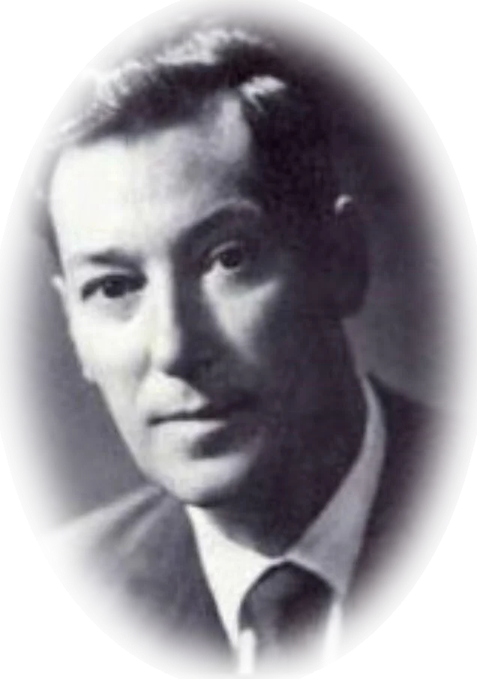
Neville Goddard was a Barbados-born writer and lecturer who worked in the United States, and he sits in the "New Thought" tradition, the family of ideas behind a lot of modern manifestation teaching. So this isn't a new idea. It's one of the older ones, put plainly.
What the book says
The core premise is that your inner state is the cause and your outer circumstances are the effect. In Neville's account, the part of you beneath conscious thought accepts whatever you most strongly feel as true, and then arranges your experience to match it. You don't get what you want. You get what you feel is already so.
That's why he draws a line between wishing and feeling. Wishing, in his view, quietly admits you don't have the thing. If you're hoping and wanting, then the feeling you're actually holding is lack, and lack is what you'll keep producing. The alternative is to take on the feeling that the wish is already fulfilled.
How you're meant to feel
This is the part that matters, and it's more specific than "think positive". As the book is commonly summarised, the feeling has these qualities:
- Present tense. Not "I will have it" or "I hope to". You feel as if it's already yours, today.
- Settled, not excited. The feeling is the quiet contentment of having something, not the buzz of wanting it. Think of how you feel about your own front door, not a lottery ticket.
- Natural, not forced. He is firm that you shouldn't strain or use willpower. The feeling should come easily, as if it were ordinary.
- Specific and sensory. You picture a short, real scene that would only exist if the wish had come true, and you stay in it long enough to feel what it feels like.
- Repeated. You return to it regularly and quietly, until it feels true rather than imagined.
- Detached from the "how". You don't plan the route. You hold the feeling and trust the means to arrange themselves.
The state akin to sleep
Neville says this works best in a drowsy, relaxed state, just before sleep, when your attention is soft and your inner critic goes quiet. He recommends falling asleep inside the feeling, so that it's the last thing in your mind. He treats prayer the same way: you don't beg for an outcome, you enter the feeling of it having been answered.
Whatever you make of the metaphysics, there's something practical here. A calm, unhurried, evening routine is good for sleep and for mood in its own right, and it's a good time to rehearse who you intend to be.
What the research says
I can't tell you that holding a feeling changes what happens to you in the outside world. I don't know of good evidence that it does, and the book's claim that it works as a law of the universe isn't something science can test or support.
What the research does say is more interesting, and it cuts both ways. Gabriele Oettingen and colleagues ran four studies, published in 2011, on what they called positive fantasies about an idealised future. People who indulged in them reported less energy, and in one study had achieved fewer of their goals a week later. The researchers' account is that the fantasy makes effort seem unnecessary, so you relax as if you'd already arrived. They suggest that picturing obstacles as well can be more useful.
Another strand points the other way. In a 1999 study, Lien Pham and Shelley Taylor found that students who pictured the process of studying did better in an exam than students who pictured the outcome, a great grade. Rehearsing what you'll do helped. Rehearsing how it will feel to have succeeded did not, on its own.
Put together: imagining the end result and feeling good about it is a pleasant thing to do, but it can quietly replace the work. Imagining yourself doing the work is better.
What I'd take and what I'd leave
Take: that your inner state shapes how you behave. A man who feels settled and capable acts differently from one who feels behind, and he gets different results. Take the evening wind-down, the quiet minute to picture who you're becoming, and the idea that you don't have to feel desperate to start.
Leave: the claim that you needn't act, and the idea that circumstances such as your health, your money or your relationships respond to feeling alone. If you're ill, see your GP. If money is tight, make the phone call. If you're low for more than a couple of weeks, talk to someone. No feeling replaces any of that.
The missing piece: feeling follows evidence
Neville says the feeling must be natural, not forced. I agree, and this is where most people get stuck. If you try to feel like a strong, disciplined man while your recent history says otherwise, your mind pushes back, and the feeling stays forced.
The way through is to give the feeling something to stand on. Small kept promises are what make "I do what I say I'll do" a plain fact rather than an affirmation. I wrote about this in Why Tiny Physical Actions Build a Stronger Mindset: each tiny rep is a piece of evidence, and enough evidence produces confidence you didn't have to fake. In that sense the feeling isn't the secret. It's the result, and it's easier to hold when it's earned. (If you keep falling off the wagon, why habits fail after 40 is worth a read.)
If the idea of a settled feeling, rather than an excited one, appeals to you, Vadim Zeland's idea of importance is its nearest cousin. I wrote about it in Reality Transurfing: Why Too Much Importance Gets in Your Way.
A five-minute way to use it
- Pick one realistic outcome you can influence. For example: finishing a 10 km ruck, or getting up off the floor with your grandchildren without a struggle.
- Imagine one short scene that shows it's done. Make it physical: where you are, what you can feel in your legs, who's there.
- Settle into the feeling. Calm and steady, not excited. Stay for a minute or two.
- Add the obstacle. Picture the thing most likely to get in the way, such as the rain, or the tired evening, and what you'll do about it.
- Name one tiny action for tomorrow and tie it to a trigger you already have. Then do it.
Do this in the evening if you like, as Neville suggests. The point is that the feeling points you at the action rather than standing in for it.
The short version
Feeling Is the Secret says that the feeling you hold shapes your life, and that you should take on the settled feeling of the wish already fulfilled, quietly, repeatedly and without strain. There's something useful in it. Your inner state does steer your behaviour. But the research suggests that feeling good about an imagined result isn't enough, and can even sap effort. Use the feeling to steer you, and use small actions to make it true.
Further reading
- Feeling Is the Secret by Neville Goddard. A very short book, and worth reading in his own words rather than relying on my summary.
- Tiny Habits by BJ Fogg. How small actions and a good feeling afterwards build habits.
Useful links
- Why positive fantasies make your dreams less likely to come true: a plain-English summary of the Kappes and Oettingen research from the British Psychological Society.
General fitness and lifestyle information only, not medical advice. If you have a health condition, an injury, or you have been inactive for a long time, check with your GP before changing how you train, eat or sleep.
Book links are Amazon affiliate links. If you buy through them I earn a small commission at no extra cost to you. As an Amazon Associate I earn from qualifying purchases.